
Home
A National Collaborative for Preventive Health
The Multi-Sectoral Preventive Interventions (MSPI) Research Network is an NIH-funded national team. Together, we work in real communities to tackle everyday root causes of illness — known as social determinants of health (SDOH) — preventing chronic disease and improving health outcomes across the country.
Our Impact
Our Approach to Prevention
We test new ways to prevent illness by bringing different groups together — like health care, schools, housing, and community organizations. By looking at the shared root causes of chronic disease in everyday life, we create practical solutions that help communities nationwide stay healthy.

Coordinating the Network
Penn State College of Medicine serves as our central coordinating center. They provide the data management and support needed to make sure our research is highly accurate and consistent across all participating sites, keeping our national network moving in the same direction.

Real-World Impact
We believe research should lead to real-world action. By working directly with communities, we gather clear evidence on what works best. This data helps local leaders design better programs and gives policymakers the trusted information they need to shape public health policies nationwide.

Our Network
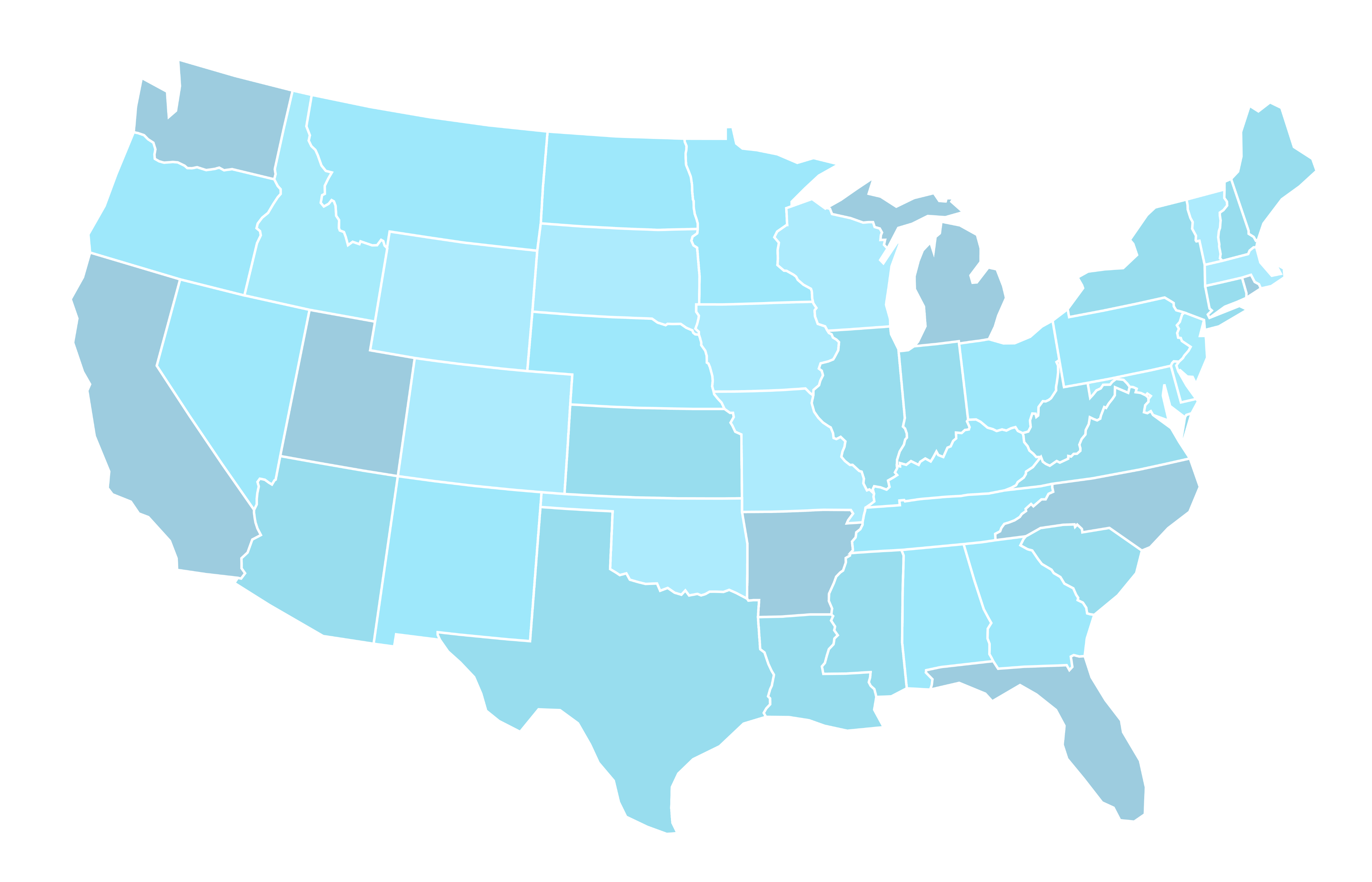

A National Network
The MSPI Research Network connects six independent, NIH-funded research sites and one NIH-funded coordinating center from across the United States. While each site focuses on different communities and approaches, they work together to understand and address the everyday root causes of illness.
Explore our network sites to learn more about ongoing studies and community impact in your region.
Penn State College of Medicine (Coordinating Center)
Penn State serves as the central hub for the network, providing the data management, infrastructure, and support needed to ensure research is consistent and collaborative across all sites.
Harvard Pilgrim Health Care
This team works with home-visiting programs to provide healthy food and nutrition education to pregnant women and young children in communities facing food insecurity.
University of Oregon
This team partners with summer meal programs and community health workers to address food insecurity and improve the health and well-being of Latine families in rural areas.
Arizona State University (ASU)
This project partners with schools, local grocery stores, and nutrition programs to help families access and eat more fresh fruits and vegetables.
Mary Imogene Bassett Hospital
This project brings together healthcare and community partners to test new ways of preventing illness and improving overall health for families living in rural areas.
New York University (NYU) School of Medicine
This project brings together community organizations to help permanent supportive housing agencies reduce overdose risks and improve the overall health of their tenants.
University of Illinois (UIC) at Chicago
This initiative links local health clinics with food assistance programs to reduce food insecurity and lower the risk of diet-related cancers in Chicago neighborhoods.